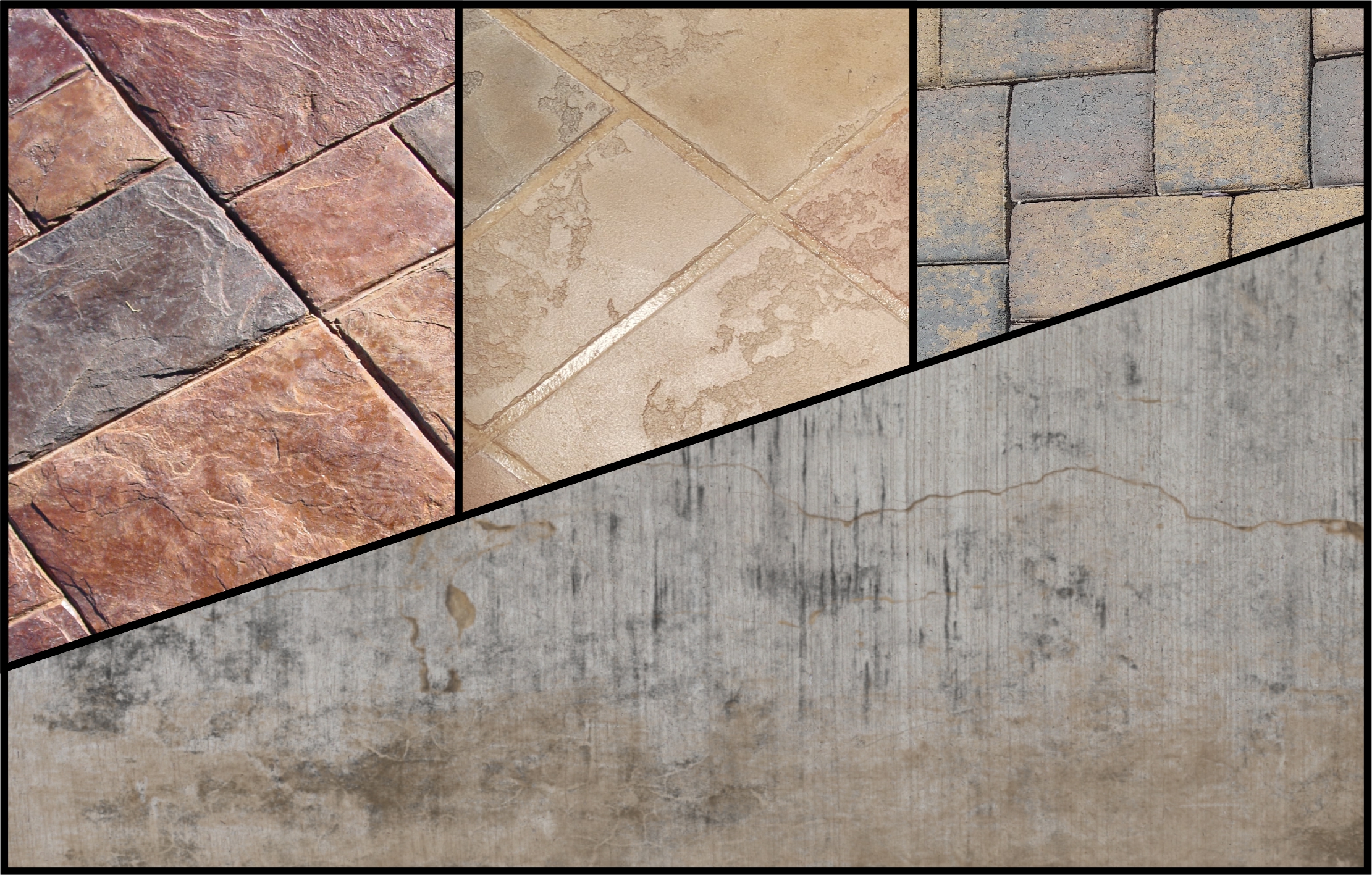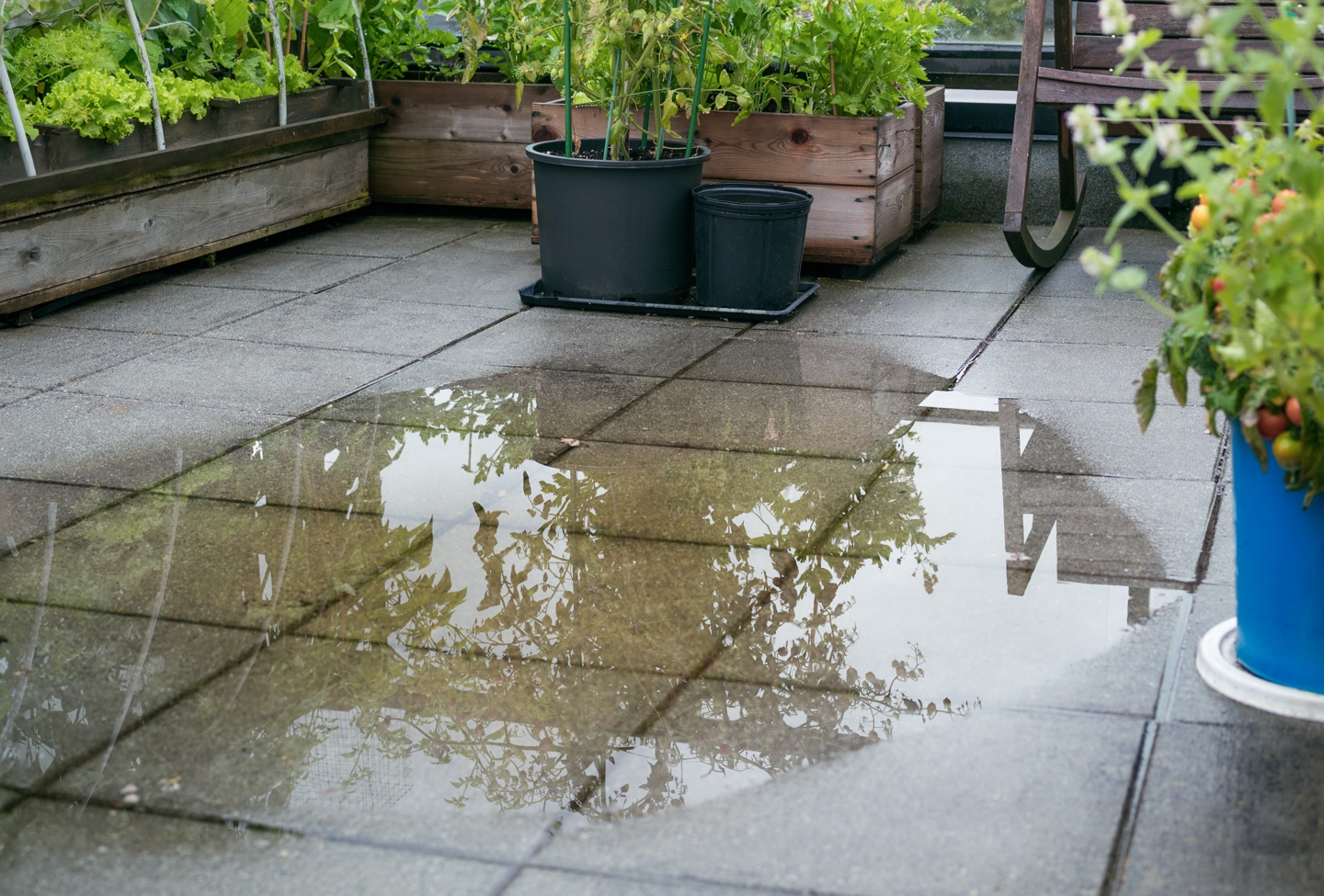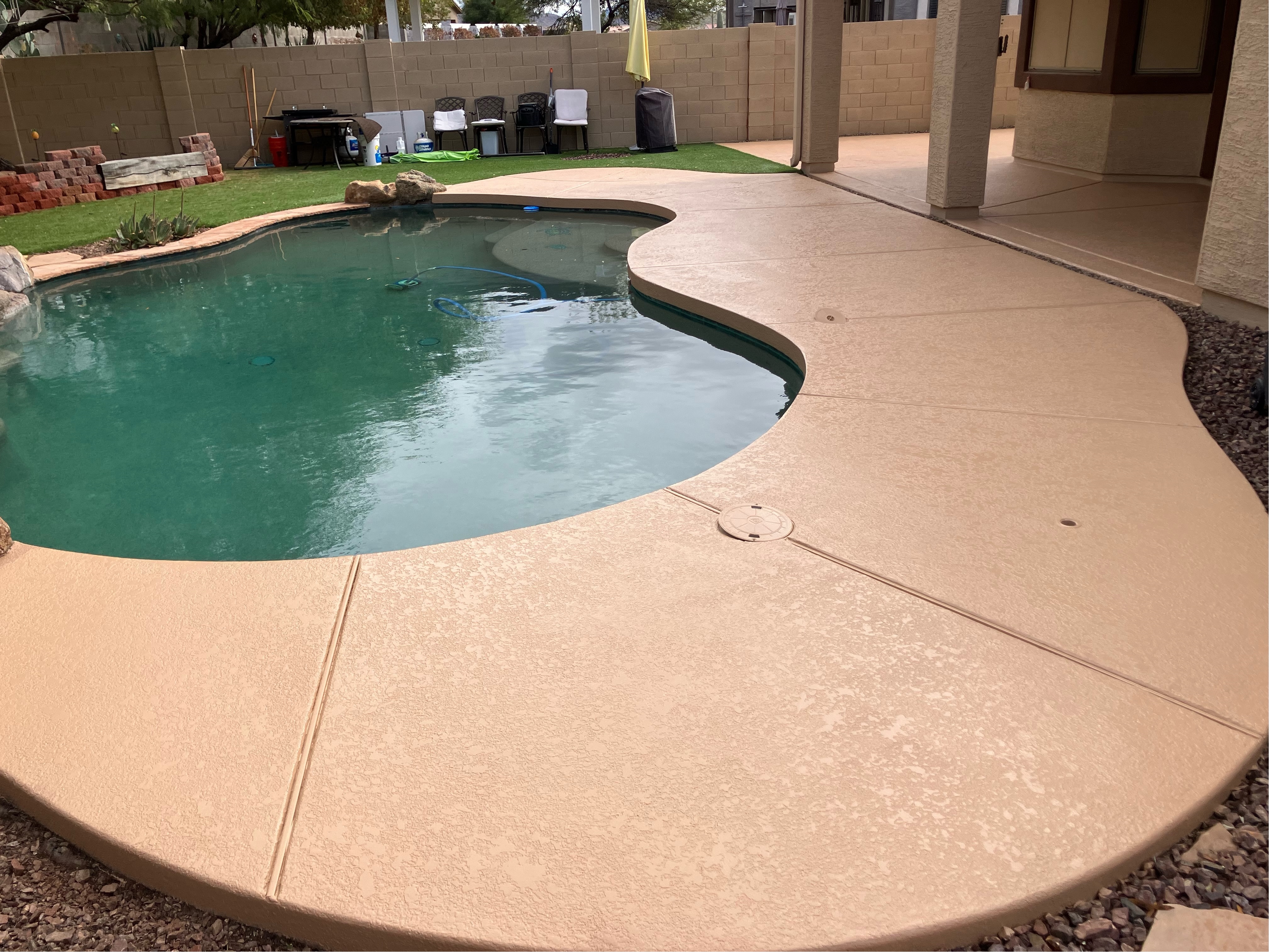
The history of cool deck in the construction industry illustrates a fascinating journey of innovation, adaptation, and technological advancements. Originally designed as a practical solution for creating cooler, more comfortable outdoor surfaces, cool deck has undergone significant transformations—from its cementitious origins to the sophisticated acrylic lacing used today.
The Origins of Cool Deck
Cool deck technology first appeared as a cementitious product specifically engineered to be applied on freshly poured concrete. The idea was to allow the cool deck mixture and the new concrete to cure simultaneously, creating a unified, durable surface. This method ensured an effective bond between the two materials, significantly reducing the likelihood of peeling or flaking.
Challenges and Adaptations in Installation Practices
Over time, however, the initial enthusiasm for applying cool deck directly on fresh concrete faced practical challenges. The rigorous timing required for optimal application proved difficult to maintain, leading installers to delay the application process until the concrete had cured further. Unfortunately, this adjustment had unintended consequences; the longer curing time prevented the cool deck from bonding as effectively with the concrete, resulting in increased flaking and peeling of the surface.
In response to these challenges, installers began incorporating small amounts of acrylic glue into the cool deck mixture. This modification initially helped improve bonding between the cool deck and the slightly cured concrete. However, as more glue was added and concrete cure times continued to extend, issues persisted. The residual moisture in the concrete interfered with the bonding process, still resulting in poor adhesion and durability.
Transition to Acrylic Concrete Coatings
The continuous struggle with bonding issues eventually led to a significant shift in the composition and application of cool deck solutions. Over time, the mixture evolved into more of an acrylic concrete coating. This new formulation could be applied after the concrete had been allowed to cure for an extended period, thereby avoiding the moisture-related bonding issues of earlier methods.
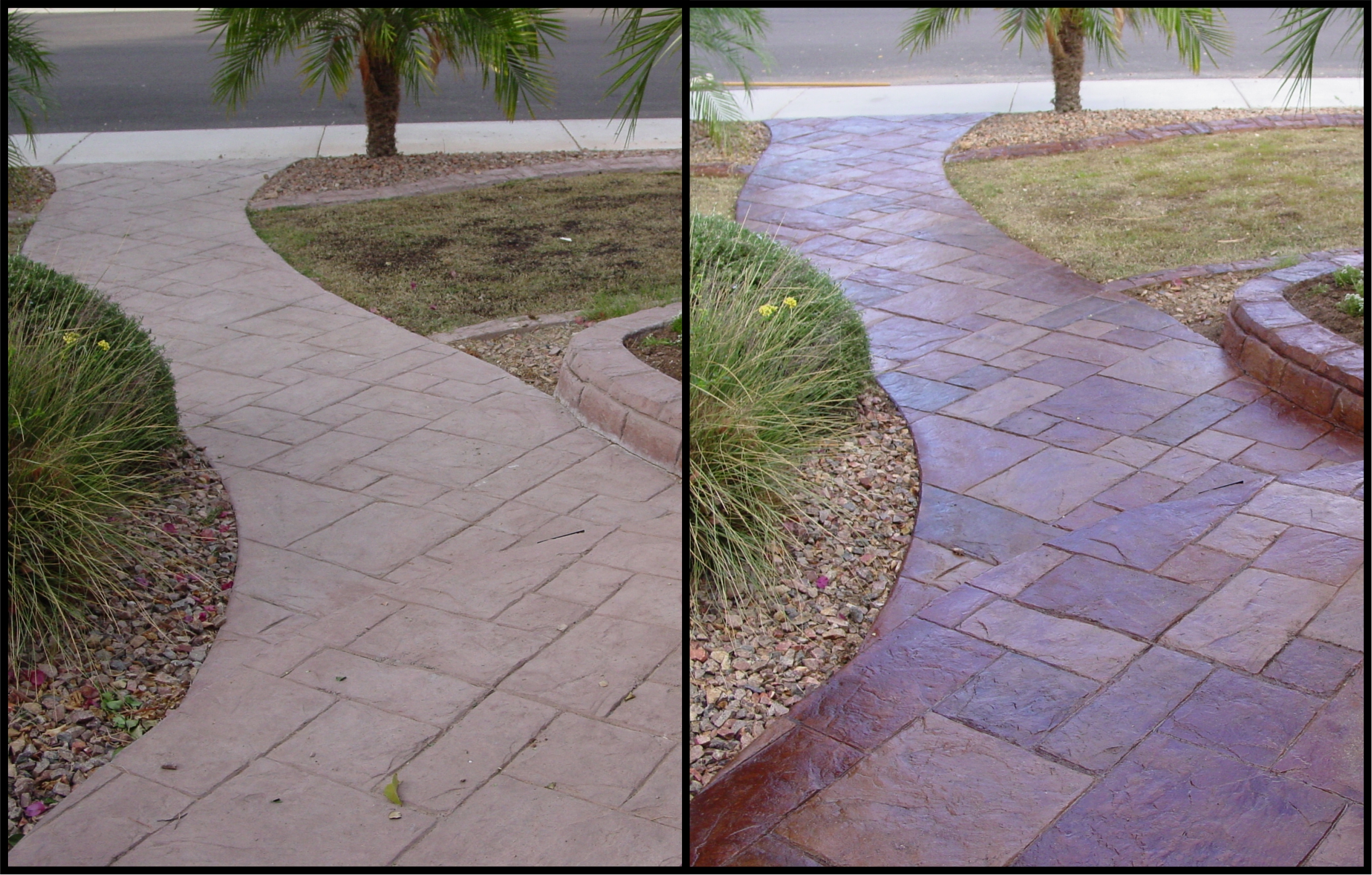
Today’s acrylic lacing technique not only provides a robust surface but also incorporates an aesthetic element. After application, the textured surface is painted with acrylic paint to seal it and provide a uniform color. This not only enhances the visual appeal but also contributes to the durability of the surface.
The Science Behind the Coolness
Despite the technological advancements, the fundamental reasons why cool deck surfaces feel cooler underfoot have remained consistent:
1. Color: The use of a white cement base allows for lighter, pastel colors that reflect more of the sun’s rays, reducing heat absorption.
2. Texture: The unique texture of cool deck surfaces creates small shadows that also help in minimizing direct sun exposure.
3. Physical Contact: The textured surface reduces the total area of contact between the material and the feet, which tricks the brain into perceiving a cooler sensation since fewer nerve endings are engaged.
Realistic Expectations in Extreme Temperatures
It’s important for users to maintain realistic expectations about the capabilities of cool deck and acrylic lacing, especially in extremely hot climates like Arizona’s summers, where temperatures can soar to 115 degrees Fahrenheit. While these surfaces do provide a cooler walking experience relative to traditional flat, dark-colored concrete, they still absorb heat. Thus, in mid-summer’s peak temperatures, appropriate foot protection is advisable to prevent discomfort or burns.
Conclusion
The evolution from cementitious cool deck applications to modern acrylic lacing reflects broader trends in materials science and construction technology. By understanding the challenges and innovations that have shaped this industry, consumers and professionals alike can better appreciate the complexities involved in creating functional, durable, and aesthetically pleasing outdoor living spaces. As we continue to advance, the integration of new materials and techniques will likely further enhance the performance and popularity of cool decking solutions.